The construction industry has become increasingly digital over the past decade. Builders, architects, engineers, and developers now rely on specialised software tools to plan projects more efficiently. Two technologies that are widely used across the industry are 3D CAD design services and construction estimating software.
Although both tools support construction planning, they serve very different purposes. 3D CAD design services focus on creating detailed digital building models and technical drawings. Estimating software focuses on calculating project costs, including materials, labour, and equipment.
In this guide, we will explain how 3D CAD design services compare to estimating software, how each system works, and how they support modern construction workflows.
What Are 3D CAD Design Services?
3D CAD design services involve creating digital building models using computer-aided design software. CAD stands for Computer-Aided Design, and it allows architects, engineers, and designers to create highly accurate drawings and models.
In the past, building plans were produced by hand using traditional drafting methods. While these drawings were effective, they were time-consuming to create and difficult to update.
CAD software changed this process completely.
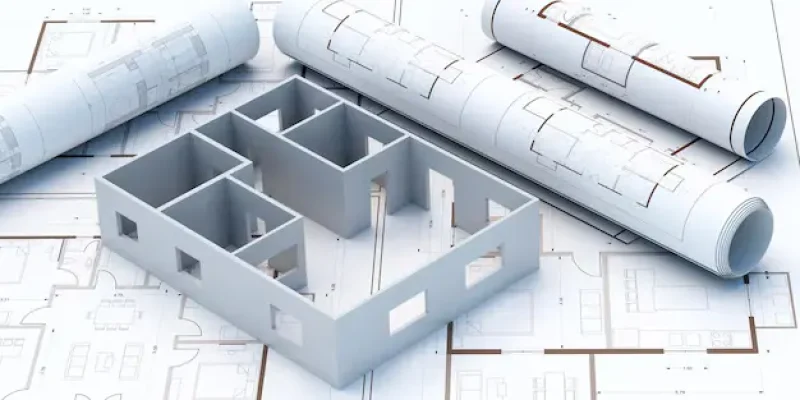
Designers can now produce digital drawings that are precise, easy to modify, and simple to share with project teams. With 3D CAD technology, designers can also build three-dimensional models of buildings and structures.
These models show the layout, structure, and appearance of a project before construction begins.
3D CAD models help everyone involved in the project understand the design more clearly. Contractors can see how different components fit together. Clients can visualise what the finished building will look like.
This improves communication between architects, engineers, contractors, and developers.
Because of these benefits, 3D CAD design services have become standard practice in modern construction projects.
What Is Construction Estimating Software?
Construction estimating software is designed to calculate the cost of building a project. Contractors and estimators use these tools to analyse construction drawings and determine the total cost of materials, labour, and equipment.
Estimating software helps contractors prepare accurate project budgets and tender bids.
The process usually begins with quantity takeoff. This involves measuring materials directly from construction drawings.
For example, an estimator may calculate:
- The amount of concrete required for foundations
- The number of bricks needed for walls
- The length of steel reinforcement required for structural elements
Once these quantities are calculated, the estimator applies cost data to each item. The software then generates a detailed cost estimate for the project.
Estimating software also helps contractors track supplier prices and labour costs. Many systems allow contractors to update pricing information quickly when market conditions change.
Accurate estimating is essential for winning construction tenders. If a contractor underestimates costs, the project may become unprofitable. If the bid is too high, the contractor may lose the tender.
Estimating software helps contractors balance competitiveness with profitability.
Key Differences Between 3D CAD Design and Estimating Software
Although both technologies support construction projects, they are used for completely different tasks.
3D CAD design focuses on design and visualisation. It allows architects and engineers to create digital models and technical drawings that describe how the building will look and how it will be constructed.
Estimating software focuses on project costs. It calculates the financial resources required to build the project.
The users of these tools are also different.
CAD design software is usually used by:
- architects
- engineers
- design consultants
Estimating software is typically used by:
- contractors
- project estimators
- construction managers
The outputs of each system are also different.
CAD software produces:
- architectural drawings
- 3D models
- design documentation
Estimating software produces:
- cost breakdowns
- project budgets
- tender estimates
Both tools are essential, but they support different parts of the construction workflow.
How 3D CAD Design Helps Construction Projects
3D CAD design services provide several major advantages for construction planning.
One of the biggest benefits is visualisation.
Three-dimensional models allow project teams to see how the building will look before construction starts. Clients can explore the design from different angles and understand the layout of spaces.
This helps identify design issues early in the project.
CAD design also improves accuracy. Digital models allow designers to measure building components precisely. This reduces the risk of design errors.
Another benefit is design flexibility. If the client requests design changes, CAD software allows designers to update the model quickly. This is far easier than modifying traditional hand drawings.
CAD models also support collaboration.
Architects, engineers, and contractors can review the same digital model and provide feedback. This improves communication and helps resolve design issues early.
Because of these advantages, CAD design services are now used in almost every construction project.
How Estimating Software Helps Contractors
Estimating software provides several important advantages for contractors.
The most important benefit is accurate cost estimation.
By analysing project drawings and calculating material quantities, the estimating software allows contractors to determine the total cost of a project.
This helps contractors prepare competitive tender bids. Estimating software also improves efficiency. Manual estimating can take many hours or even days. Digital estimating tools automate much of the process.
Estimators can measure quantities directly from digital drawings and generate cost reports quickly.
Another advantage is budget control.
Estimating software allows contractors to update project budgets when designs change or when material prices fluctuate.
This ensures that project budgets remain accurate throughout the planning process. For contractors who regularly submit tender bids, estimating software is an essential tool.
Can 3D CAD and Estimating Software Work Together?
Although CAD design and estimating software serve different purposes, they can work together very effectively.
Modern construction workflows often integrate design and cost information.
Digital building models contain detailed information about project components.
Estimators can extract quantity data directly from these models.
This reduces the time required to perform manual quantity takeoffs.
Instead of measuring drawings manually, estimators can analyse the digital model and generate material quantities automatically.
This integration improves accuracy and reduces project planning time.
In more advanced workflows, Building Information Modelling (BIM) integrates both design and cost data into a single digital environment.
When CAD design and estimating systems work together, project teams gain a better understanding of both design and financial aspects of the project.
Software Examples Used in Each Category
Several software platforms support CAD design and construction estimating.
Common 3D CAD tools include:
AutoCAD is widely used for creating technical drawings. SketchUp is popular for architectural modelling and visualisation. Revit is commonly used for BIM modelling and integrated building design.
Common estimating software tools include:
PlanSwift is widely used for digital quantity takeoffs. Bluebeam helps estimators review and measure drawings. CostX combines quantity takeoffs with cost analysis tools.
Each of these platforms supports different parts of the construction planning process.
Which One Do Contractors Need?
Contractors often ask whether they should use CAD design services or estimating software.
The answer depends on the stage of the project.
During the design stage, CAD software is essential. Designers use CAD tools to create building layouts and technical drawings.
During the tender stage, estimating software becomes more important. Contractors must calculate project costs and prepare bids.
During construction planning, both tools may be used together. CAD models provide design information, while estimating software calculates project budgets.
Many construction companies therefore use both technologies throughout the project lifecycle.
Common Mistakes When Choosing Construction Software
Construction professionals sometimes make mistakes when selecting digital tools. One common mistake is trying to use CAD software for cost estimation. CAD tools are designed for design work, not financial analysis.
Another mistake is relying only on spreadsheets for estimating. While spreadsheets can work for small projects, they increase the risk of errors.
Poor integration between design and estimating systems can also cause problems. When project teams use incompatible tools, transferring information becomes difficult.
Understanding the role of each tool helps construction professionals build more efficient digital workflows.
Final Thoughts
Digital technology has become essential for modern construction projects. 3D CAD design services and estimating software both play important roles in project planning.
CAD design focuses on visualising buildings and creating technical drawings. Estimating software focuses on calculating project costs and preparing tender bids.
Although these tools serve different purposes, they work together to support efficient construction workflows.
Contractors, architects, and developers who understand how these technologies work can plan projects more effectively, reduce risks, and improve project outcomes.
As the construction industry continues to adopt digital solutions, the integration of design and estimating tools will become even more important.