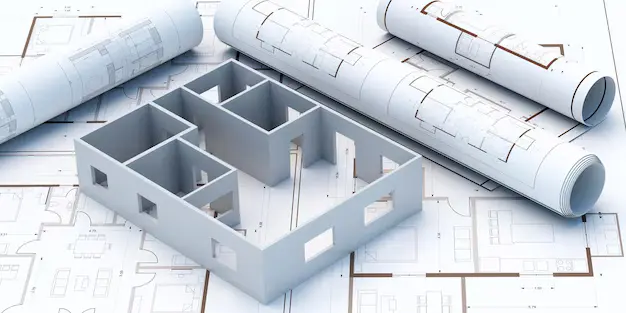
Construction projects begin long before any work starts on site. Before materials are ordered or workers arrive on location, contractors must understand exactly what the project requires. They need to know how much concrete will be poured, how many bricks will be used, how many pipes will be installed, and how much steel reinforcement will be required. Without this information, it becomes impossible to estimate costs or plan the project properly.
This is where construction takeoff services play an important role. These services help contractors measure material quantities from project drawings and specifications. The information gathered during the takeoff process forms the foundation of accurate construction estimating.
In today’s competitive construction market, accurate quantity takeoffs help contractors submit reliable bids, control project costs, and reduce the risk of material shortages or waste. Many builders and subcontractors now rely on professional takeoff services to support their estimating process.
This guide explains what construction takeoff services are, how they work, and why contractors, developers, and estimators rely on them when planning construction projects.
What Are Construction Takeoff Services?
Construction takeoff services involve calculating the quantities of materials required to complete a construction project. The process begins with a review of architectural drawings, engineering plans, and project specifications.
Estimators carefully measure all construction components shown in the drawings. These measurements are then converted into material quantities. The results are organised into a detailed list that shows how much of each material will be required.
For example, a takeoff report might include quantities such as the amount of concrete needed for foundations, the number of bricks required for walls, or the total length of piping required for plumbing systems.
The purpose of construction takeoff services is to provide accurate information about project materials. Contractors use this information when preparing cost estimates and tender bids.
Without accurate quantity takeoffs, it becomes difficult to calculate project costs correctly. Even small measurement errors can lead to significant financial losses.
What Is a Quantity Takeoff in Construction?
A quantity takeoff, often called a QTO, is the process of measuring materials required for a construction project. It is one of the most important steps in the estimating process.
During a quantity takeoff, estimators analyse project drawings and calculate the volume, area, length, or number of materials needed.
For example, they may calculate the square metres of flooring required, the cubic metres of concrete needed for foundations, or the number of structural steel beams required.
These measurements are based on the information provided in architectural and engineering drawings.
Once the quantities are calculated, they are recorded in a takeoff report. This report becomes the foundation for project budgeting and cost estimation.
Quantity takeoffs are used in almost every type of construction project, including residential buildings, commercial developments, infrastructure projects, and industrial facilities.
Accurate quantity takeoffs help contractors understand the scale of a project and plan their resources effectively.
What Do Construction Takeoff Services Include?
Construction takeoff services include several important tasks that support project planning and estimating.
One of the primary tasks is to measure materials directly from the construction drawings. Estimators analyse floor plans, sections, and elevations to calculate material quantities.
Another task involves organising these measurements into structured material lists. These lists provide clear information about the materials required for each part of the project.
Takeoff services may also include categorising materials by construction trade. For example, materials may be grouped into categories such as concrete, masonry, structural steel, or plumbing.
Many takeoff reports also include detailed notes and measurement references. These notes help contractors understand how quantities were calculated.
Some takeoff services also support the estimating process by providing quantity data for cost calculations.
Although takeoff services focus primarily on material quantities, they play a key role in the overall construction estimating process.
Types of Takeoffs in Construction
Construction projects involve many different materials and systems. As a result, several types of quantity takeoffs may be performed during project planning.
Material takeoffs focus on measuring physical building materials. This may include concrete volumes, brick counts, timber quantities, and steel reinforcement.
Labour takeoffs estimate the amount of work required to install materials. These calculations help determine workforce requirements and project timelines.
Equipment takeoffs identify the machinery and equipment needed for construction activities. For example, estimators may calculate the number of cranes, excavators, or pumps required.
Subcontractor takeoffs focus on specific trades such as electrical installations, plumbing systems, or HVAC equipment.
Each type of takeoff provides information that supports project planning and cost estimation.
Together, these takeoffs help contractors understand the full scope of the project.
How Construction Takeoff Services Work
Construction takeoff services follow a structured process that begins with reviewing project documentation.
The estimator first studies the architectural drawings, structural plans, and engineering specifications. These documents describe the design and technical requirements of the project.
Next, the estimator performs detailed measurements from the drawings. Digital takeoff tools may be used to measure lengths, areas, and volumes directly from electronic drawings.
Once the measurements are complete, the estimator calculates material quantities. These quantities are organised into a structured report.
The takeoff report usually includes material descriptions, measurement units, and total quantities.
This report can then be used by contractors when preparing cost estimates or ordering materials.
The takeoff process ensures that all construction materials are accounted for before work begins on site.
Who Uses Construction Takeoff Services?
Construction takeoff services are used by many professionals within the construction industry.
Contractors rely on takeoffs when preparing tender bids for new projects. Accurate quantities help them estimate costs and submit competitive bids.
Subcontractors also use takeoff services for trade-specific estimates. Electrical contractors, plumbing specialists, and mechanical installers all rely on quantity measurements.
Property developers use takeoffs to evaluate project feasibility. By understanding material requirements, developers can estimate overall project costs.
Estimators use takeoff data as the foundation for cost calculations. Without accurate quantities, cost estimates cannot be reliable.
Project managers also use takeoff reports when planning material procurement and construction schedules.
These services support almost every stage of the construction planning process.
Benefits of Using Construction Takeoff Services
Construction takeoff services provide several important benefits for contractors and developers.
One major advantage is improved estimating accuracy. Accurate quantity measurements allow contractors to calculate project costs more precisely.
Another benefit is better project planning. When contractors know the exact materials required, they can organise procurement and delivery schedules more effectively.
Takeoff services also reduce material waste. Ordering too many materials can increase project costs, while ordering too few can cause delays.
Professional takeoff services also save time. Contractors can focus on managing projects while estimators handle quantity calculations.
These advantages make takeoff services an essential part of modern construction planning.
Software Used for Construction Takeoffs
Modern construction takeoffs are often performed using specialised software tools. These tools allow estimators to analyse digital drawings quickly and accurately.
Digital takeoff software allows estimators to measure lengths, areas, and volumes directly from electronic plans.
These tools also help organise measurement data into structured reports.
Some takeoff systems also integrate with estimating software. This allows quantity data to be used directly in cost calculations.
Using digital tools improves both speed and accuracy compared with manual measurement methods.
As construction projects become more complex, digital takeoff tools have become an important part of the estimating process.
How Much Do Construction Takeoff Services Cost?
The cost of construction takeoff services varies depending on project size and complexity.
Small residential projects may require relatively simple takeoff reports. These projects typically cost less because the drawings are less complex.
Larger commercial or infrastructure projects require more detailed analysis. These projects may involve hundreds of pages of drawings and multiple building systems.
Pricing may be based on several factors, including the number of drawings, the complexity of the project, and the level of detail required.
Some estimating firms charge per project, while others charge hourly rates.
Contractors should request detailed quotations before hiring takeoff services to ensure that the scope of work is clearly defined.
Common Mistakes Without Professional Takeoffs
Contractors who skip professional takeoff services may encounter several problems.
One common issue is inaccurate material quantities. Estimating materials without careful measurement can lead to major cost errors.
Another problem is material shortages. If materials are underestimated, construction work may stop while additional supplies are ordered.
Material waste is another risk. Ordering excessive materials increases project costs and storage requirements.
Contractors may also struggle to prepare competitive tender bids without accurate quantity data.
Professional takeoff services help avoid these issues by providing precise material measurements.
How to Choose the Right Takeoff Service
Choosing the right takeoff provider requires careful consideration.
Contractors should review the provider’s experience with construction projects. Industry knowledge is important for understanding complex drawings.
Accuracy is also essential. The provider should demonstrate attention to detail and reliable measurement processes.
Software capabilities are another factor to consider. Modern takeoff tools improve efficiency and accuracy.
Turnaround time is also important. Contractors often work with tight tender deadlines.
Selecting a reliable takeoff service can improve estimating accuracy and support successful project planning.
Final Thoughts
Construction takeoff services play a vital role in modern construction planning. By accurately measuring material quantities, these services provide the foundation for reliable project estimates.
Contractors, developers, and estimators rely on takeoff reports to understand project requirements and plan resources effectively.
Accurate takeoffs help reduce material waste, improve budgeting, and support successful tender submissions.
As construction projects become more complex, professional takeoff services have become an essential tool for contractors who want to plan projects efficiently and remain competitive in the industry.